Skip to content

Author

The Sidelight

House byline

Articles under this byline are researched and drafted with AI assistance, with every figure checked against its source before publication. The editor, Pankaj Guleria, reviews them and corrects them where needed.

46 stories

ScienceExplainer

Why has it become so much cheaper to reach space?

Putting a kilogram into orbit on the Space Shuttle cost about $65,400 in today’s money. On a Falcon Heavy it is about $1,500. Reusable rockets are the main reason, and they have changed what gets launched.

By The Sidelight · 4 min read

ScienceExplainer

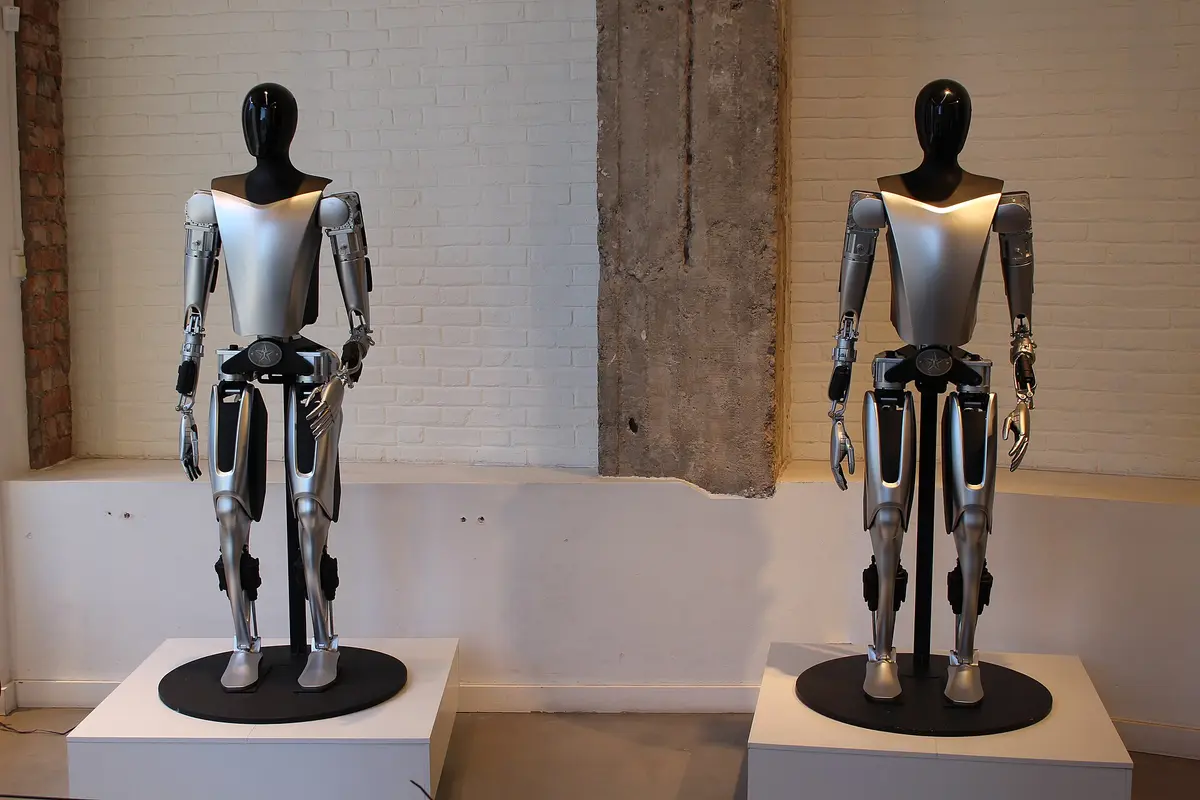
Humanoid robots: what can they really do?

Shipments of human-shaped robots nearly quadrupled in a year, mostly from Chinese makers. The best factory trial so far shows they can do useful, repetitive work, but the industry’s own trade body calls most of them prototypes.

By The Sidelight · 4 min read

BusinessAnalysis

Do mergers create value? What the research says

Mergers usually make the combined companies worth more, but the gains mostly go to the sellers. Buyers often overpay, especially in big deals and when the boss is overconfident.

By The Sidelight · 4 min read

BusinessDeep dive

How much is big tech spending on AI, and can it pay off?

Amazon, Alphabet and Meta spent about $391 billion on data centres and equipment in nine months, and Microsoft’s spending doubled. Cloud revenue is growing fast, but the Bank of England warns the bill is now being paid with debt.

By The Sidelight · 6 min read

AIDeep dive

Is AI taking jobs? What the evidence shows so far

Forecasts say a large share of jobs will be affected by AI. The data so far show no economy-wide job losses, but one warning sign: fewer young people are being hired into the jobs AI can do.

By The Sidelight · 7 min read

BusinessAnalysis

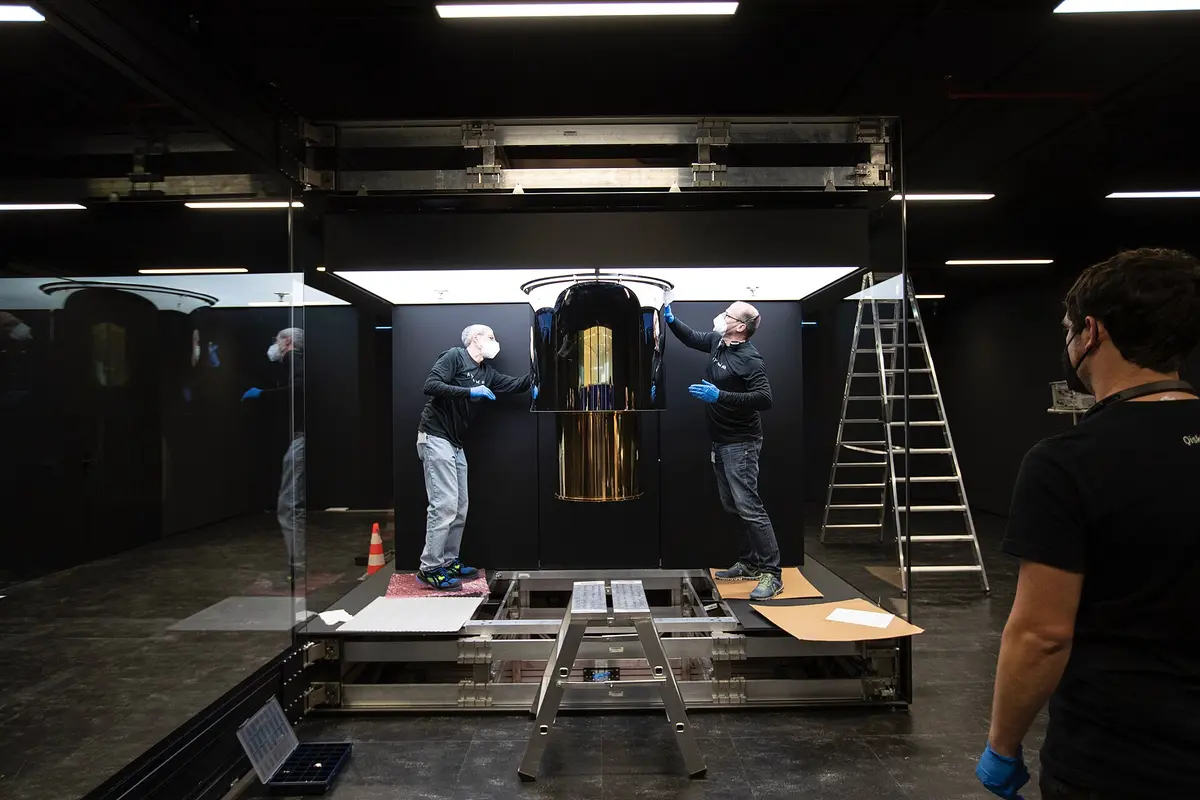
Quantum computing: how close is it to being a real business?

Investors put $12.6 billion into quantum start-ups in 2025 and the industry’s revenue passed $1 billion. But the machines still cannot do useful work beyond ordinary computers, and IBM’s target for a reliable machine is 2029.

By The Sidelight · 3 min read

ScienceExplainer

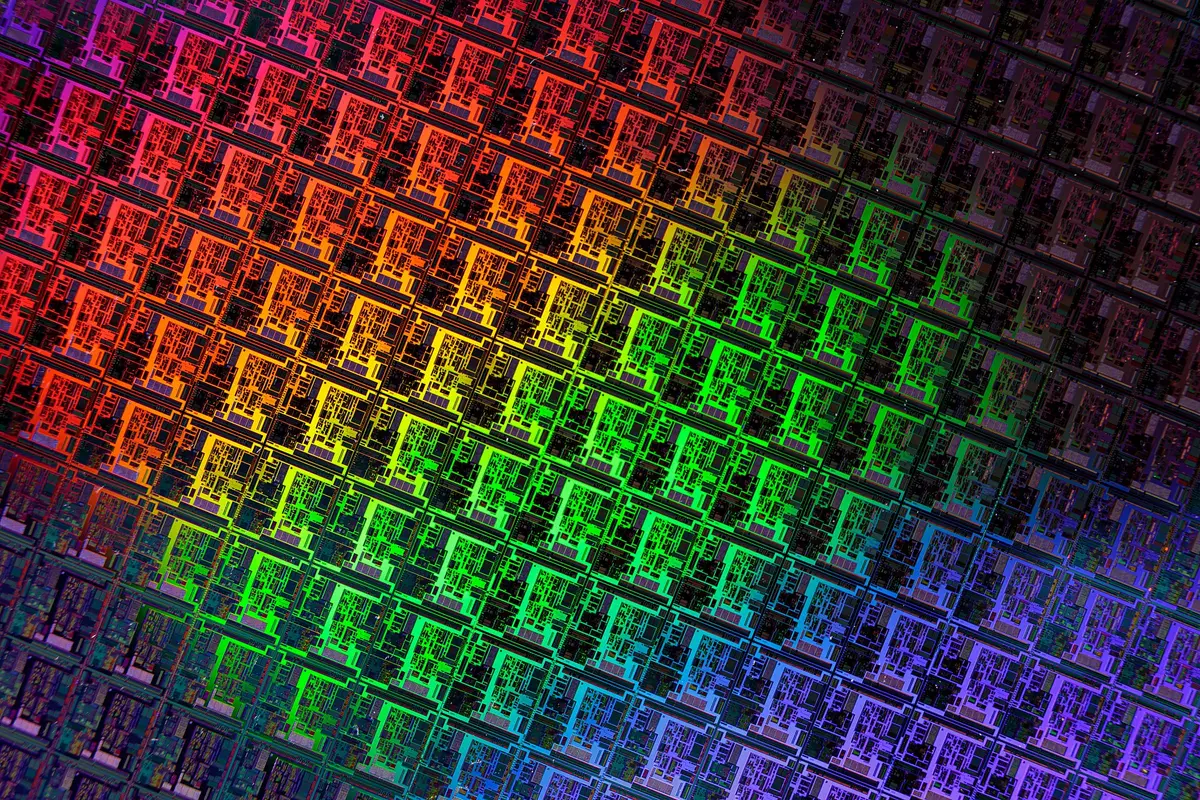
Who makes the world’s computer chips, and why it matters

Most companies that sell chips do not make them. One Taiwanese firm, TSMC, earns nearly three quarters of the money paid for contract chipmaking, and governments are spending billions to reduce that dependence.

By The Sidelight · 3 min read

BusinessAnalysis

The weight-loss drug boom: how big is the GLP-1 market?

Two companies dominate the market for weight-loss drugs, and their sales are still climbing. Eli Lilly expects $91 billion of revenue this year. The next phase is pills, lower prices and wider NHS access.

By The Sidelight · 4 min read

AIExplainer

How are AI models tested? AI benchmarks explained

AI models are scored on shared sets of test questions called benchmarks. The scores are useful, but tests wear out quickly, can leak into training data and sometimes contain errors.

By The Sidelight · 4 min read

MoneyExplainer

The 50/30/20 budget rule: does it work on a UK income?

The rule splits take-home pay into 50% needs, 30% wants and 20% savings. On UK figures it fits homeowners better than renters, and London rents can break it before food is bought.

By The Sidelight · 4 min read

BusinessExplainer

How big tech makes money: revenue by segment for six giants

Six of the biggest tech companies took in about $2.35 trillion in their latest financial years. Each leans on one main earner: phones, adverts, cloud computing, shopping or AI chips.

By The Sidelight · 4 min read

ScienceExplainer

What is AlphaFold, and why did it win a Nobel prize?

AlphaFold is an AI system that predicts the 3D shape of a protein from its chemical sequence, a problem that had defeated scientists for 50 years. Its predictions are free to use.

By The Sidelight · 4 min read

AIExplainer

Why do AI chatbots make things up? Hallucinations explained

Chatbots produce the most likely next words, not checked facts, and they are trained in ways that reward a confident guess. Courts in the US and UK have already sanctioned lawyers caught out by the result.

By The Sidelight · 4 min read

BusinessExplainer

How does a company takeover work? The UK rules explained

A takeover of a UK public company follows a strict timetable set by the Takeover Code. A bidder has 28 days to commit or walk away, and shareholders have the final say.

By The Sidelight · 5 min read

ScienceExplainer

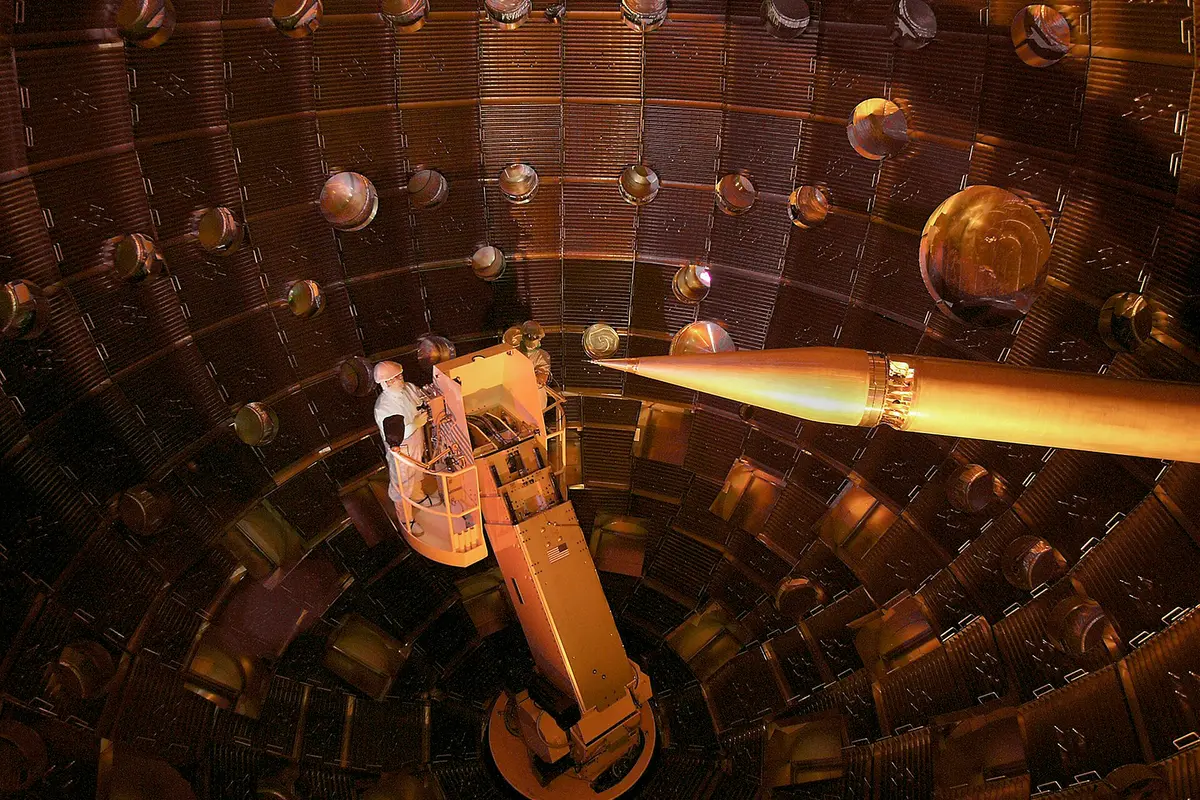
How close is nuclear fusion power? What has been achieved so far

A US laboratory has produced more energy from fusion than its lasers delivered eleven times since 2022. No fusion machine has yet put electricity on a grid, and the biggest project is running years late.

By The Sidelight · 4 min read

AIExplainer

Open vs closed AI models: what is the difference?

A closed model stays on its maker’s servers and you rent access. An open-weight model can be downloaded and run yourself. Few open-weight models meet the formal definition of open source.

By The Sidelight · 4 min read

MoneyExplainer

What is inflation, and how is it measured in the UK?

Inflation is the rate at which prices change over a year. The ONS measures it by pricing a basket of about 760 items each month. CPI inflation was 3.5% in September 2026, against a 2% target.

By The Sidelight · 5 min read

BusinessExplainer

What is an economic moat? Competitive advantage explained

A moat is whatever stops rivals from copying a profitable business. Warren Buffett popularised the idea, and investors now sort moats into five kinds. Most of them wear away over time.

By The Sidelight · 4 min read

AIExplainer

What is a large language model, and how does it work?

A large language model is software trained on huge amounts of text to predict the next fragment of a sentence. That one skill explains both what it can do and why it gets things wrong.

By The Sidelight · 5 min read

MoneyAnalysis

Index funds vs active funds: what the evidence shows

Most actively managed funds fail to beat the index they are measured against, and in 2025 about nine in ten UK equity funds fell short. Cost is the main reason.

By The Sidelight · 4 min read

ScienceExplainer

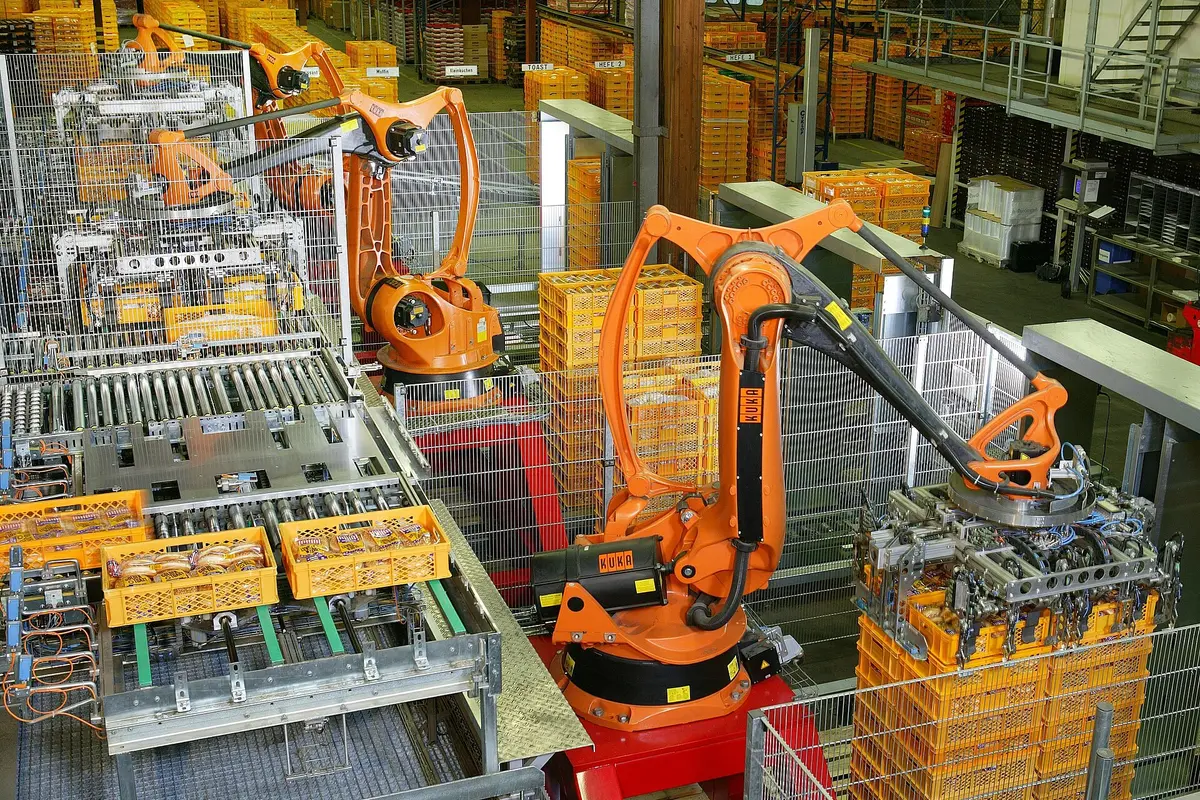
How many robots are working in the world’s factories?

Just over five million industrial robots were at work at the end of 2025, and more than half of the new ones went into Chinese factories. Europe installed fewer than the year before.

By The Sidelight · 3 min read

AIExplainer

What is the Model Context Protocol (MCP)? A plain guide

MCP is an open standard, created at Anthropic in 2024, that lets AI applications plug into outside tools and data. Most big AI firms now back it, but its security depends on how each product is built.

By The Sidelight · 5 min read

MoneyExplainer

What are gilts, and why do bond yields matter?

Gilts are loans to the UK government. Their yields set the cost of state borrowing and feed into mortgage rates, and they move in the opposite direction to gilt prices.

By The Sidelight · 4 min read
MoneyExplainer

What is open banking, and is it safe? How it works in the UK
Open banking lets you share bank data or pay from your account through a regulated app, without handing over your password. Reported fraud is low, but your protections depend on using an authorised firm.

By The Sidelight · 6 min read